 Overthought
Why can't you tickle yourself?
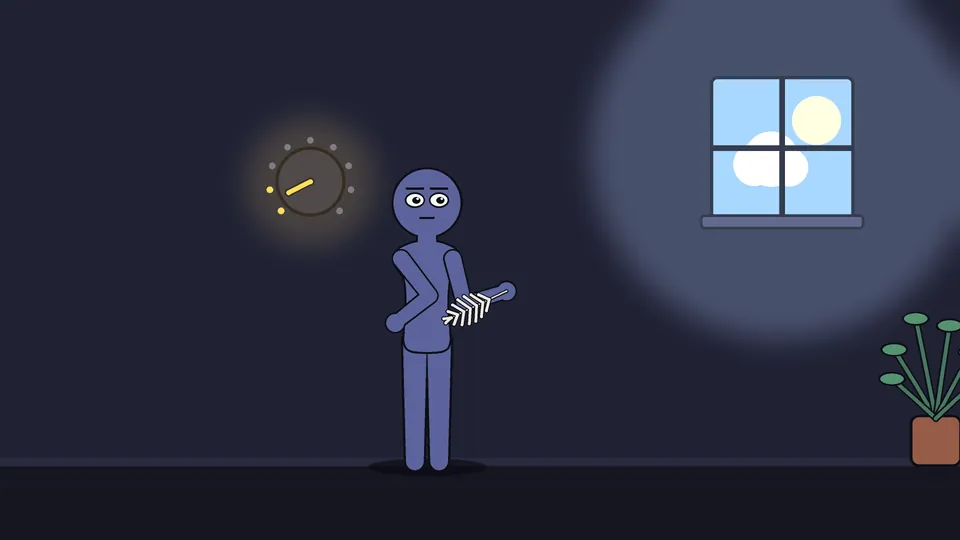
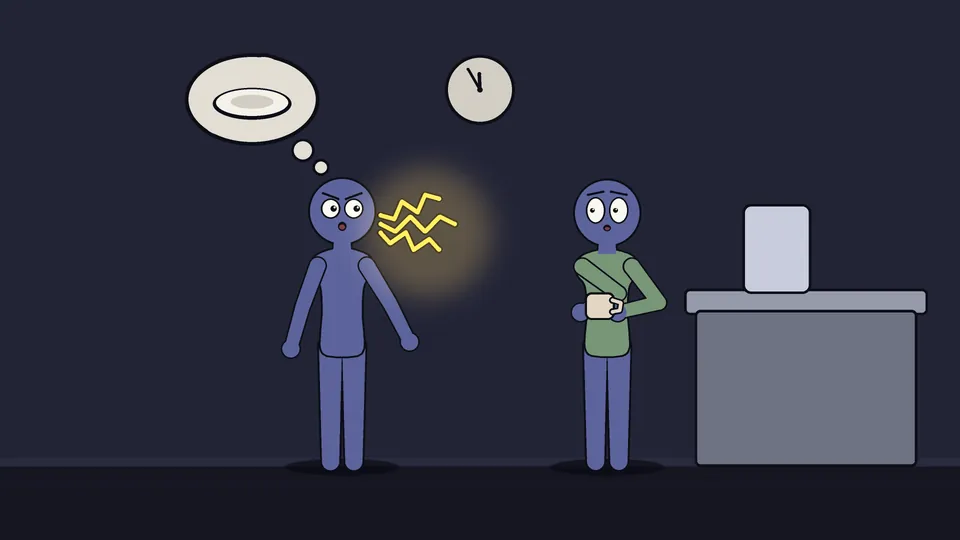
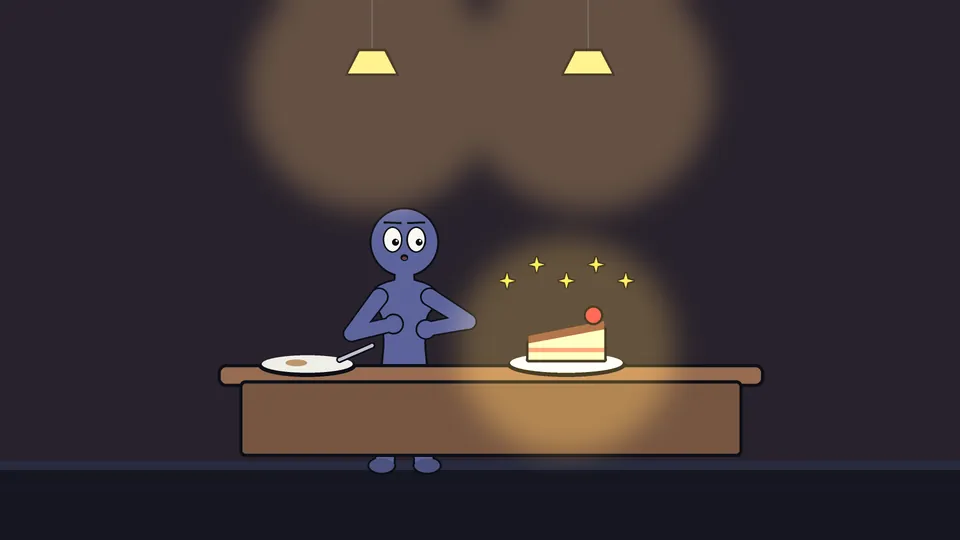
Your brain predicts what your own movements will feel like and turns those sensations down. A tickle needs surprise, and you can't surprise yourself.
What's going on
Every time you move, your brain forecasts the touch that's coming, so your own touch doesn't distract you from what's happening around you. Someone else's touch can't be predicted the same way, so it feels much stronger.
At University College London, self-made touches through a robot felt less tickly, but adding a tiny delay made them feel more tickly.
The full page is in the Field Guide
The whole study behind The Self-Tickle Problem, plus one small thing to notice this week, in Your Brain Isn't Broken. Until then, start with the free mini guide.
Get the free mini guide
How glitchy is your brain?
20 quick questions. Find your score and your glitch type.
Take the quiz
For education and curiosity. This page isn't medical or mental health advice.