 Overthought
Why does one bad ending ruin a good memory?

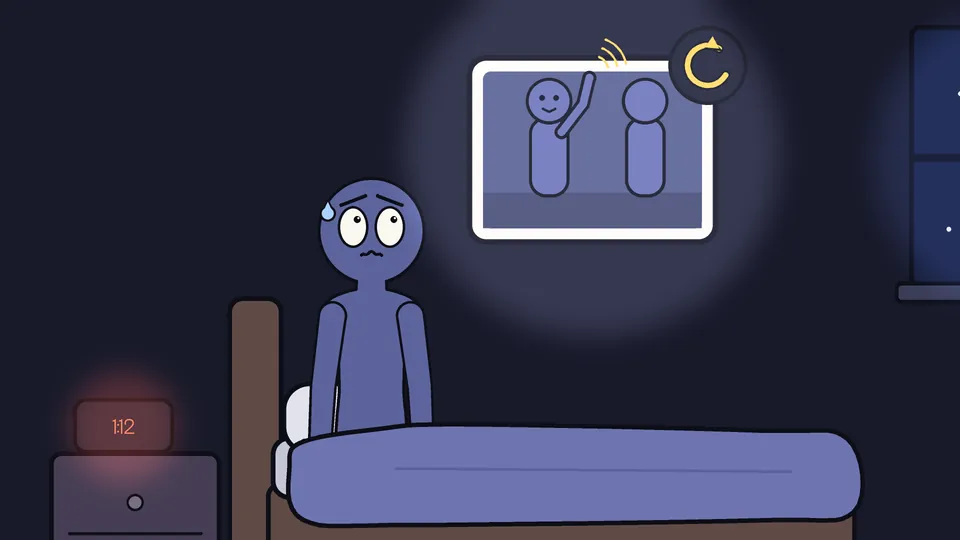
Your memory judges an experience mostly by its most intense moment and by how it ended, not by how long it lasted. One bad final day can color a whole good trip.
What's going on
Instead of keeping the whole film, your memory keeps highlights: the peak and the ending. Length barely counts. That's why a stressful last day can turn a great week into “it was okay,” and why a hard experience that ends gently can be remembered as not so bad.
In a classic experiment, most people chose to repeat 90 seconds in cold water over 60 seconds, because the longer trial ended slightly less cold.
The full page is in the Field Guide
The whole study behind The Peak-End Rule, plus one small thing to notice this week, in Your Brain Isn't Broken. Until then, start with the free mini guide.
Get the free mini guide
How glitchy is your brain?
20 quick questions. Find your score and your glitch type.
Take the quiz

For education and curiosity. This page isn't medical or mental health advice.